 &
&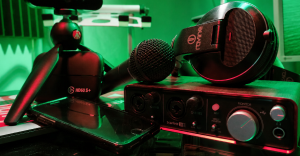 Systems for
Creator tools that don't exist yet
Off-the-shelf platforms weren't built for the specific workflows of gaming creators — custom audio, in-game triggers, community packs, personalized content layers. The gap gets filled manually or not at all.

Solutions / Streaming & Media Agencies
From creator tools and community platforms to campaign infrastructure and audience engagement systems — built for agencies and media products operating at the speed of live streaming.
Off-the-shelf platforms weren't built for the specific workflows of gaming creators — custom audio, in-game triggers, community packs, personalized content layers. The gap gets filled manually or not at all.
Off-the-shelf platforms weren't built for the specific workflows of gaming creators — custom audio, in-game triggers, community packs, personalized content layers. The gap gets filled manually or not at all.
Multi-streamer activations, sponsor banner management, and influencer campaigns are coordinated manually — creating inconsistency, missed placements, and no real performance visibility.
Viewers follow streams passively. Without prediction mechanics, interactive drops, gamification, or community features, there's no engagement layer keeping them active between sessions.
User-generated content, community packs, and creator-driven assets have no scalable home — no moderation system, no discoverability layer, no feedback loop that keeps the community growing.
Landing pages that don't convert, onboarding flows that confuse, and product messaging that fails to communicate value — all slow creator acquisition and increase churn before engagement begins.
Most agencies have creators and campaigns — but not the product infrastructure to scale them. That's the gap we solve.
Custom creator platforms, audio and content pack systems, community features, moderation tools, and UX built around how gaming creators actually work — so your platform becomes part of the workflow, not a workaround.
Custom creator platforms, audio and content pack systems, community features, moderation tools, and UX built around how gaming creators actually work — so your platform becomes part of the workflow, not a workaround.
Multi-streamer campaign management, sponsor banner automation, real-time reporting, and performance tracking — so activations run consistently at scale without manual coordination overhead.
Gamification systems, interactive drops, prediction mechanics, viewer rewards, and retention features — so your audience stays active between streams and your platform builds compounding value over time.
Streaming agencies don`t have a content problem — they have an infrastructure problem. The right systems turn creator relationships and live audience attention into scalable, measurable business outcomes.
Every project starts with a clear map of how creators, users, and systems interact — so your platform has a solid foundation before new features get layered on top.
From creator onboarding and content publishing through live campaign execution and post-stream reporting — every system reflects how your team and creators actually operate.
High-concurrency stability, real-time content delivery, and performance under stream-day load spikes — so your platform holds up exactly when creator and audience activity peaks.
Core product assumptions get tested through AI prototypes early — so your team can pressure-test flows and mechanics before committing to full development.
Modular architecture means new creators, game titles, campaign formats, and engagement features get added without rebuilding what already works.
[ FEATURED CASES ]
Built a user-generated content system for creating, sharing, and managing custom in-game audio packs across popular titles.
Redesigned the landing experience to clearly communicate product value and improve onboarding.
Built a user-generated content system for creating, sharing, and managing custom in-game audio packs across popular titles.
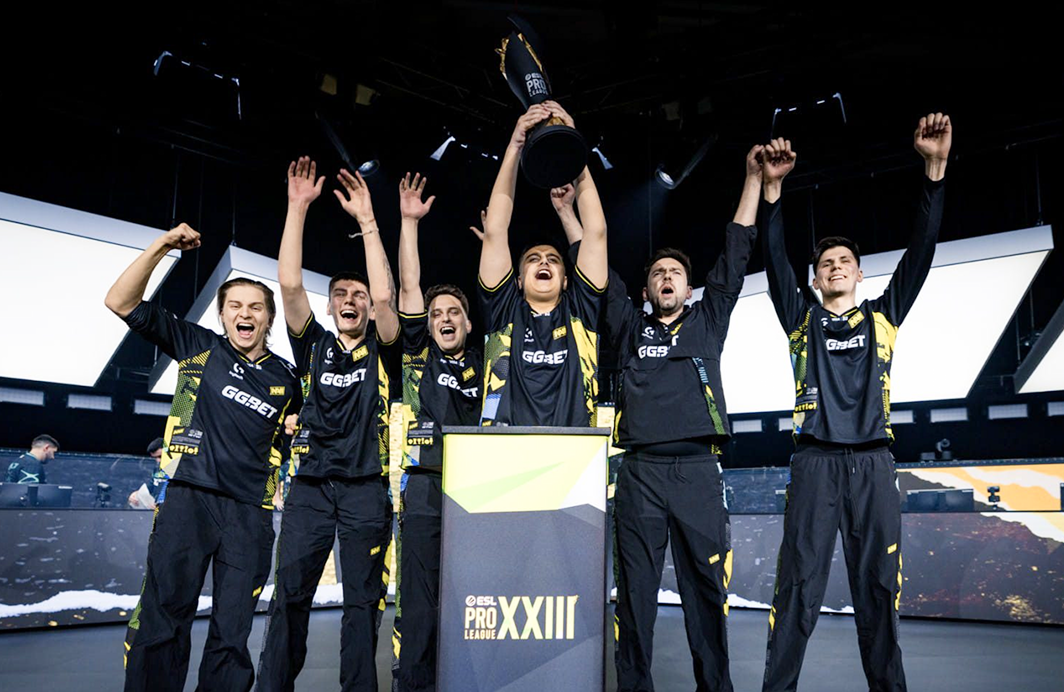
We speak the same language — understanding live data, game stats, and product logic without explanation.
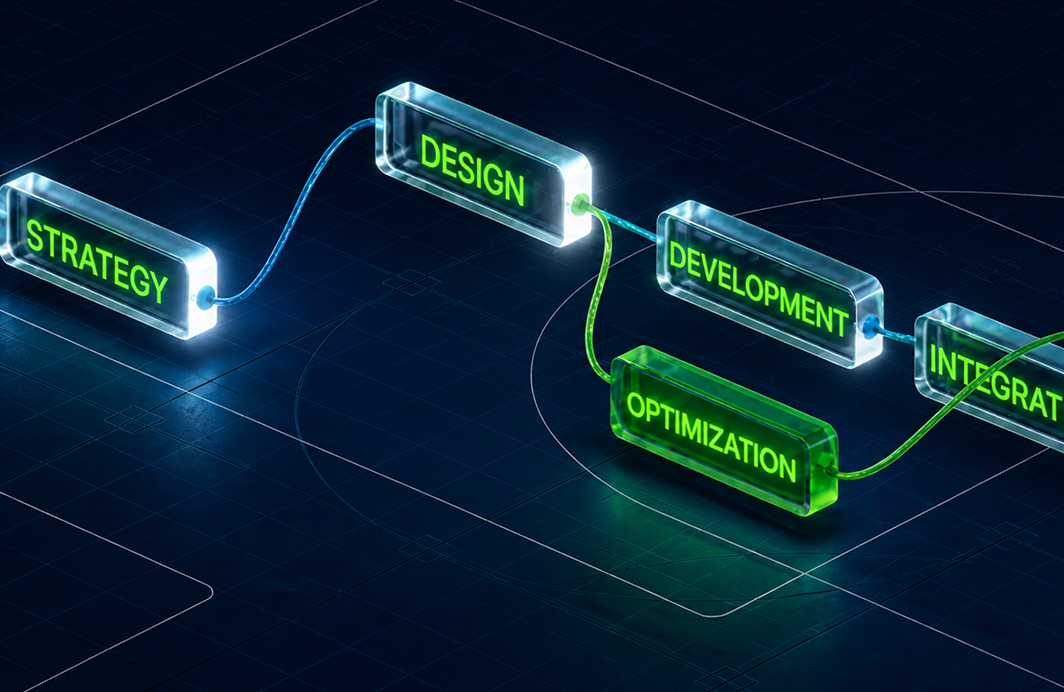
Strategy → Design → Development → Integration → Optimization

Fast execution without compromising product structure or scalability.

Engagement. Retention. Scale. Revenue.
Creator platforms, community tools, audio and content systems, multi-streamer campaign management, sponsor activation infrastructure, audience engagement mechanics, and landing and onboarding experiences — built around real streaming workflows.
See how your feature, flow, or idea works in practice — with real logic, data, and interaction.
Turn your idea into a working product concept in 2–3 days — validate logic, features, and user flows before investing in full development.