Esports & Gaming DevelopmentServices—Built for ScaleEsports & Gaming DevelopmentServices—Built for Scale
From product design and development to data systems, engagement layers, and optimization — structured to build and scale esports and gaming platforms.
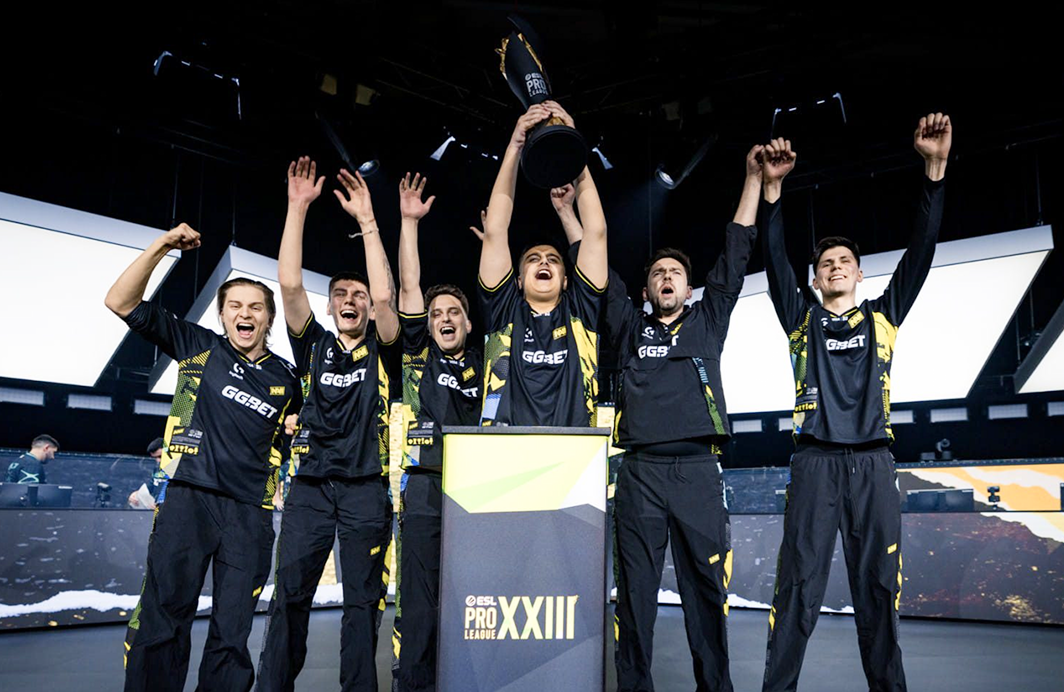
Trusted by esports teams and brands
CommonChallenges
[ COMMON PROJECTS BOTTLENECKS ]
Products are planned around features (stats, matches, live scores), but the data layer isn't clearly defined from the start. This often leads to unexpected costs, limited coverage, or the need to rebuild core parts of the product later.

There's a clear direction or reference, but no defined priorities around user value, retention, or monetization. As a result, development moves forward without a clear path to growth.
As the product evolves, new requirements appear — integrations, real-time data, additional features — increasing both timelines and budget. Initial expectations rarely match the actual scale of implementation.
Different data sources don't fully align, leading to mismatched stats, broken flows, or additional manual work. Over time, this impacts product quality, user trust, and operational efficiency.
Data strategy isn't defined early
Products are planned around features (stats, matches, live scores), but the data layer isn't clearly defined from the start. This often leads to unexpected costs, limited coverage, or the need to rebuild core parts of the product later.

The product idea isn't tied to business outcomes
There's a clear direction or reference, but no defined priorities around user value, retention, or monetization. As a result, development moves forward without a clear path to growth.
Scope expands beyond the original plan
As the product evolves, new requirements appear — integrations, real-time data, additional features — increasing both timelines and budget. Initial expectations rarely match the actual scale of implementation.
Data inconsistencies affect product reliability
Different data sources don't fully align, leading to mismatched stats, broken flows, or additional manual work. Over time, this impacts product quality, user trust, and operational efficiency.
How Development Is Structured
[ APPROACH ]
Clarity Before Development Starts
We define project structure, priorities, and user flows early — turning high-level ideas into a clear, actionable plan before development begins.
Data and Integrations Planned Upfront
We identify data sources, limitations, and costs early — choosing the right approach and avoiding blockers during development.
Realistic Roadmap and Phased Delivery
Projects are structured into clear stages with defined outcomes — making timelines predictable and reducing the risk of delays.
Validation Before Scaling
Core features and assumptions are tested before building complex systems — ensuring the product is viable before investing in full-scale development.
Architecture Designed for Change
Systems are built to evolve — allowing new features, integrations, and scaling without requiring full rebuilds later.

WhatWe Do
Full-Cycle Web Development
Custom websites, platforms, and web products — from esports platforms to gaming news platforms — built with real-time data integrations powered by esports APIs, for gaming, streaming, and betting companies.
AI + Agent Development
WORKING AI PROTOTYPE IN 2–3 DAYS
AI-powered features, automation systems, content workflows, recommendation layers, and internal agents tailored to product and operational needs.
Interface and product design for gaming platforms, with a focus on gaming website design — improving usability, conversion, and clarity.
SEO & Performance Optimization
Technical improvements, content architecture, and performance-focused enhancements that help our clients grow organic visibility and user retention.
Fan Engagement & Gamification
Interactive features, prediction mechanics, sponsor activations, and fan engagement platform solutions designed to keep audiences active beyond the live event.
Results Across Products
[ FEATURED CASES ]
All-in-One Esports Platform
Full-cycle project development — from platform architecture and UX/UI to data systems and AI-driven features.
Rebuilt a non-functional legacy app into a stable product - fixing critical issues, restructuring architecture, and enabling real-time event experiences.
Fixed app-breaking issues and restored core functionality
Rebuilt navigation and product structure
Stabilized performance during live events
Implemented live schedule and notification system
Added new features and improved user flows
Integrated analytics and improved product visibility
All-in-One Esports Platform
Full-cycle project development — from platform architecture and UX/UI to data systems and AI-driven features.
27 NERDS helped us turn a complex idea into a fully functional product. From esports platform development to data systems and AI-driven features, everything was built as one scalable system. Their understanding of esports data and product logic made the process significantly faster and more effective.
27 NERDS quickly understood the specifics of live broadcasting and real-time data workflows. They built tools that supported our production team and improved in-stream engagement, without requiring constant explanation or iterations.
The team demonstrated a strong ability to work with complex, real-time data and turn it into clear, usable product features. They helped design and deliver systems that made gameplay data more accessible and valuable during live streams.
27 NERDS took over a non-functional app and rebuilt it into a stable, working product under real event conditions. The platform handled live schedules, notifications, and high traffic during festivals — which was critical for our operations.
They approached SEO as part of the product, not just a marketing layer. The improvements in structure, performance, and content systems helped us move toward more scalable organic growth.

We speak the same language — understanding live data, game stats, and product logic without explanation.
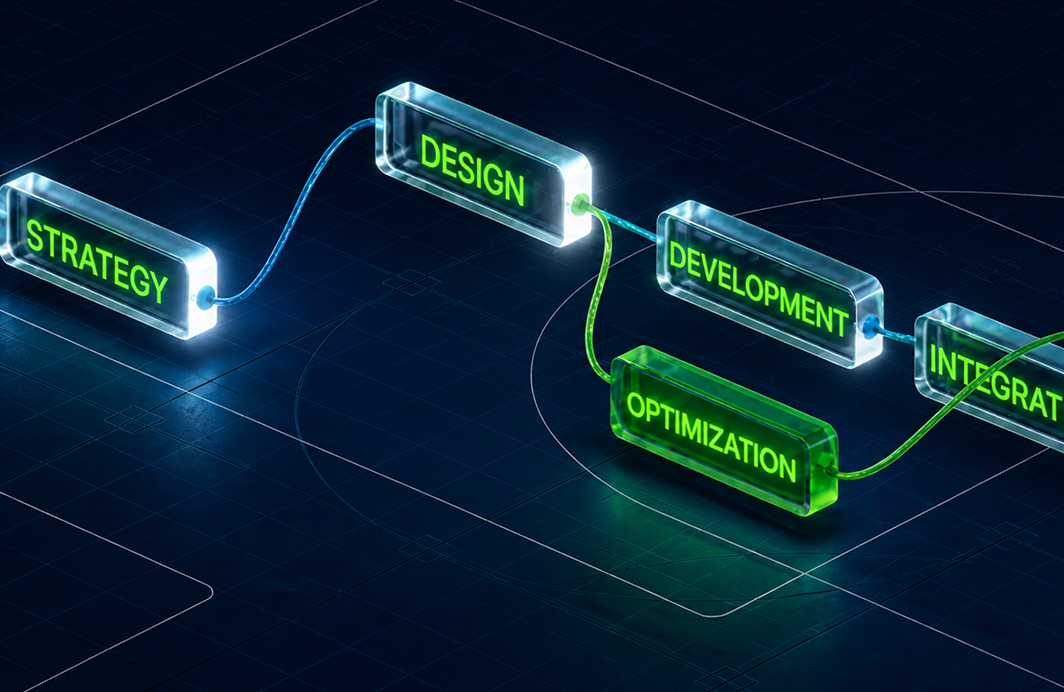
Full-cycle execution
Strategy → Design → Development → Integration → Optimization
Speed without compromise
Fast execution without compromising product structure or scalability.
Built for outcomes
Engagement. Retention. Scale. Revenue.
Our Vision
Esportsand gaming products require more than development. They require a deep understanding of live operations, data flows, content systems, and monetization.
Projects built
0+
Years on the web-development market
UAIvano-Frankivsk, UA
UKLondon, UK
PLWrocław, PL
0+
Clients in esports & gaming
0+
Project Development Framework
[ PROJECT LIFECYCLE ]
[ 01 ]
Project Breakdown
Understanding the product, user flows, and key bottlenecks — defining what actually needs to be built and why
[ 02 ]
AI Prototyping
Turning ideas into a working product prototype in 2–3 days — validating features, flows, and logic before full development.
[ 03 ]
System Design
Defining architecture, integrations, and data flows — ensuring all parts of the product work together as a system.
[ 04 ]
Execution
Design, development, and integrations — delivering a working product with ongoing support and continuous improvements.
[ 05 ]
SEO Strategy & Scaling
Building SEO foundations from the start — followed by optimization, automation, and scalable growth over time.
TECHNOLOGY STACK
[ TECHNOLOGY STACK ]
Selected based on project requirements, scalability, and integration needs — using a core set of technologies across our projects.
Ruby
Node.js
Go
Python
Vue.js
React
FAQ
Costs are reduced by selecting technologies based on business needs and using proven solutions or existing components where it makes sense — instead of building everything from scratch.
There are typically three options: official data providers, data aggregators, or custom data collection (e.g. parsing). Each comes with trade-offs in cost, quality, and reliability. We help define the right approach based on your product — from integrating official providers to building custom data solutions when needed.
Because the full complexity of data, integrations, and real-time systems usually becomes clearer during the project. As requirements evolve, timelines adjust accordingly — which is a natural part of building data-driven projects.
We normalize and map data across providers — aligning matches, teams, players, and formats into a consistent system. This ensures the product works reliably, even when underlying data sources differ.

Not always. In many cases, it's more effective to start with a focused, validated product and evolve the architecture as real usage and requirements become clear — avoiding unnecessary complexity early on.

We start with product logic and data structure. For platforms with live data, multiple integrations, and content systems, it's critical to define how everything connects before building the interface or features.
Most delays come from unclear scope, evolving requirements, or data-related constraints. By defining structure, data approach, and priorities early, we reduce uncertainty and keep the project on track.
Early architectural decisions can impact long-term scalability and cost. We design systems with flexibility in mind — reducing the risk of costly rebuilds as the product grows.
It depends on the scope and complexity. Smaller products or MVPs can take a few weeks, while full-scale platforms with live data and integrations typically require several months.
Yes. Many projects involve improving or scaling existing products. We analyze the current system, identify bottlenecks, and evolve the platform without breaking what already works.
We define the right data strategy early — selecting and integrating providers, aggregators, or custom solutions based on product needs. We also handle data normalization to ensure consistency across the platform.
This is a common scenario. We create a structured data layer that aligns different sources — ensuring consistency across matches, teams, and statistics without breaking the product experience.
Through clear product definition and prioritization at the start. We break the project into stages, validate assumptions early, and align scope with realistic timelines.
Yes. We continue working on the product after launch — improving performance, adding features, and adapting the system based on real usage and data.
Start with an AI prototype
See how your feature, flow, or idea works in practice — with real logic, data, and interaction.
Turn your idea into a working product concept in 2–3 days — validate logic, features, and user flows before investing in full development.