 Platforms
Platforms that can't scale with the audience
Early infrastructure decisions create ceilings. As traffic grows, performance degrades, content delivery slows, and user experience breaks down at exactly the moments that matter.

Home / Content Platforms Solutions
From platform infrastructure and data systems to SEO architecture and audience engagement — built for content platforms that need to scale in one of the most competitive digital verticals.
Early infrastructure decisions create ceilings. As traffic grows, performance degrades, content delivery slows, and user experience breaks down at exactly the moments that matter.
Early infrastructure decisions create ceilings. As traffic grows, performance degrades, content delivery slows, and user experience breaks down at exactly the moments that matter.
Thousands of pages covering players, teams, matches, and tournaments create massive indexing and structural challenges. Without the right architecture, organic growth stalls regardless of content volume.
Match stats, user behavior, engagement signals, and content performance sit in disconnected systems — making it impossible to optimize in real time or build data-driven product features.
Users arrive, read, and leave. Without prediction mechanics, live data layers, interactive features, or personalization, there's no system pulling them deeper into the platform.
Manual workflows for publishing, updating, and distributing content across matches, tournaments, and rosters create bottlenecks and inconsistency — especially during peak event periods.
Most providers have a product — but not one built end-to-end for how esports bettors actually behave. That's the gap we solve.
Architecture, data pipelines, match and stats systems, CMS infrastructure, and performance optimization — so your platform delivers reliably at any traffic volume and gives your team a single source of truth.
Architecture, data pipelines, match and stats systems, CMS infrastructure, and performance optimization — so your platform delivers reliably at any traffic volume and gives your team a single source of truth.
SEO architecture, entity structures, internal linking systems, indexing health, and content frameworks — so your platform builds organic visibility at scale, not just page by page.
Prediction mechanics, live data features, interactive tools, AI-powered content automation, and sponsor integration systems — so your audience stays active, returns consistently, and generates measurable revenue.
Content alone doesn`t build a platform. The infrastructure underneath — how data flows, how pages scale, how users engage — is what turns traffic into a sustainable business.
Every project starts with a clear map of how content, data, and users interact — so your platform has a solid foundation before any new surface is built on top of it.
From live match coverage and stats updates through editorial publishing and post-event traffic surges — every system reflects how your team actually produces and distributes content.
High-concurrency stability, fast page delivery, and real-time data updates — so your platform performs when tournament traffic spikes and audiences are at their largest.
Core assumptions about architecture, features, and growth mechanics get tested early — reducing risk before significant development investment is made.
Modular systems mean new game coverage, content verticals, data integrations, and engagement features get layered on — without rebuilding the core platform each time.
[ FEATURED CASES ]

Full-cycle project development — from platform architecture and UX/UI to data systems and AI-driven features.
0K
monthly users
0.00M
Built a scalable SEO foundation for a content-heavy esports platform - fixing structural issues and enabling long-term organic growth.
Full-cycle project development — from platform architecture and UX/UI to data systems and AI-driven features.
0K
monthly users
0.00M
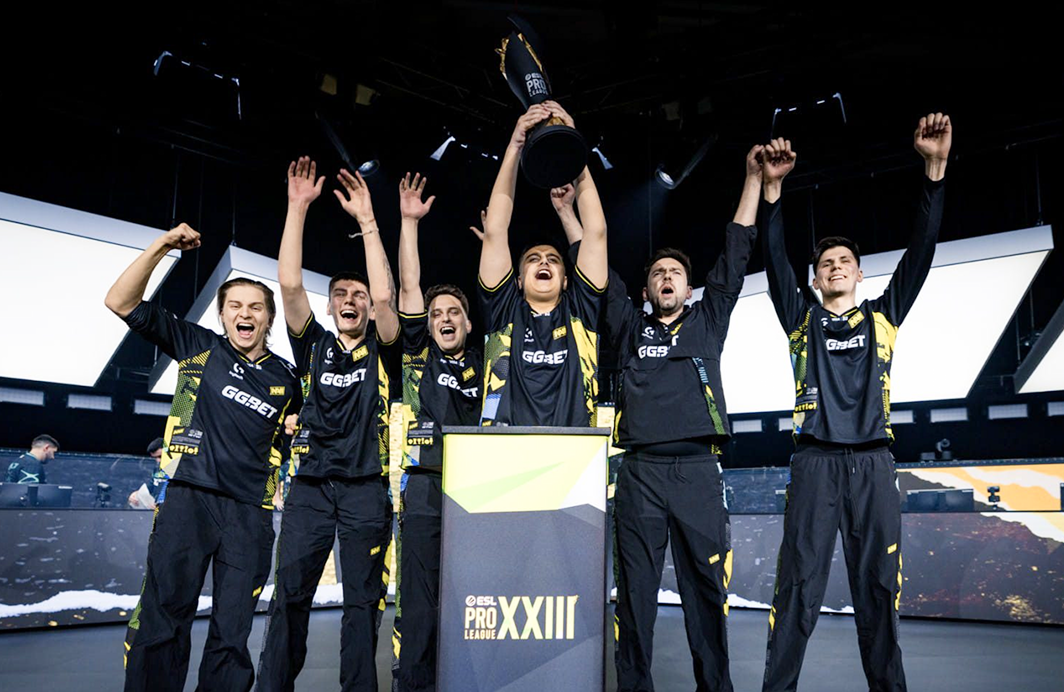
We speak the same language — understanding live data, game stats, and product logic without explanation.
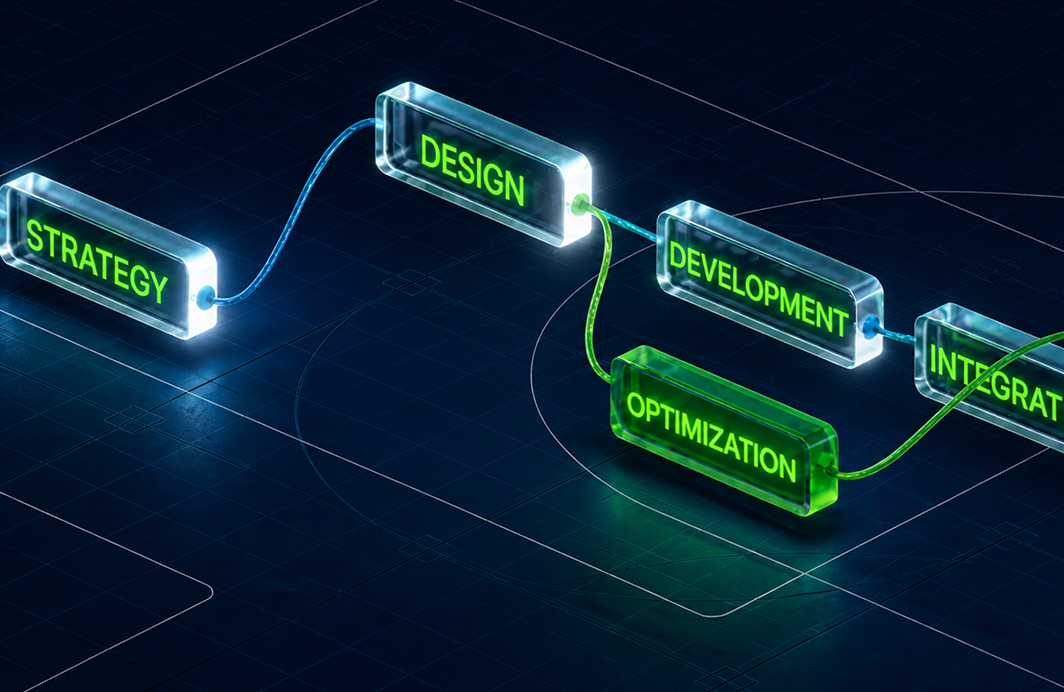
Strategy → Design → Development → Integration → Optimization

Fast execution without compromising product structure or scalability.

Engagement. Retention. Scale. Revenue.
Esports media platforms, stats and data sites, tournament coverage platforms, and content-heavy products that need scalable architecture, SEO infrastructure, and audience engagement systems.
See how your feature, flow, or idea works in practice — with real logic, data, and interaction.
Turn your idea into a working product concept in 2–3 days — validate logic, features, and user flows before investing in full development.