 Data
Data Operators
No single source of truth
Match data, brackets, results, and stats live across disconnected tools — creating delays, errors, and extra manual work at exactly the wrong moment.

Solutions / Tournament Operators
The infrastructure behind great tournaments — from registration and bracket systems to live data feeds, broadcast integrations, and fan engagement platforms.
Match data, brackets, results, and stats live across disconnected tools — creating delays, errors, and extra manual work at exactly the wrong moment.
Match data, brackets, results, and stats live across disconnected tools — creating delays, errors, and extra manual work at exactly the wrong moment.
Scoreboards, overlays, and live feeds managed separately make real-time accuracy a constant risk during live production.
Viewers watch the stream — but there's nothing pulling them deeper. No interaction layer, no prediction mechanics, no reason to stay engaged between matches.
Static placements disconnected from the live event experience limit value for partners and revenue potential for operators.
Registration spikes, live match traffic, and peak broadcast moments expose infrastructure that wasn't built for real tournament scale.
Most operators have tools — but not a system built end-to-end for how tournaments actually run:
Registration flows, bracket management, scheduling tools, and results systems — built around real tournament workflows so your team spends less time firefighting and more time running the event.
Registration flows, bracket management, scheduling tools, and results systems — built around real tournament workflows so your team spends less time firefighting and more time running the event.
Live scoreboards, match data feeds, stream overlays, and stats infrastructure — so your production team always has accurate, real-time information exactly where it needs to be.
Fan interaction platforms, prediction mechanics, sponsor activation systems, and monetization tools — so your tournament generates value beyond the prize pool.
A tournament is a live product. Every system — operations, broadcast, and fan experience — needs to run as one. Connected infrastructure is what separates a smooth event from a chaotic one.
A tournament is a live product. Every system — operations, broadcast, and fan experience — needs to run as one. Connected infrastructure is what separates a smooth event from a chaotic one.
Every project starts with a clear map of how data, users, and systems interact — so your tournament infrastructure has a solid foundation before a single line of code is written.
From registration and check-in through bracket progression, live match coverage, and post-event reporting — every system reflects how your operations team actually works.
Low latency, real-time updates, and stability under peak load — so nothing breaks during match point, grand finals, or a surge in concurrent viewers.
Core assumptions are tested through AI prototypes early — so your team can pressure-test logic and flows before committing to full development.
Modular architecture means new game titles, bracket formats, sponsor integrations, and audience features can be added without rebuilding what already works.
[ FEATURED CASES ]
Rebuilt a non-functional legacy app into a stable product - fixing critical issues, restructuring architecture, and enabling real-time event experiences.
Rebuilt a non-functional legacy app into a stable product - fixing critical issues, restructuring architecture, and enabling real-time event experiences.
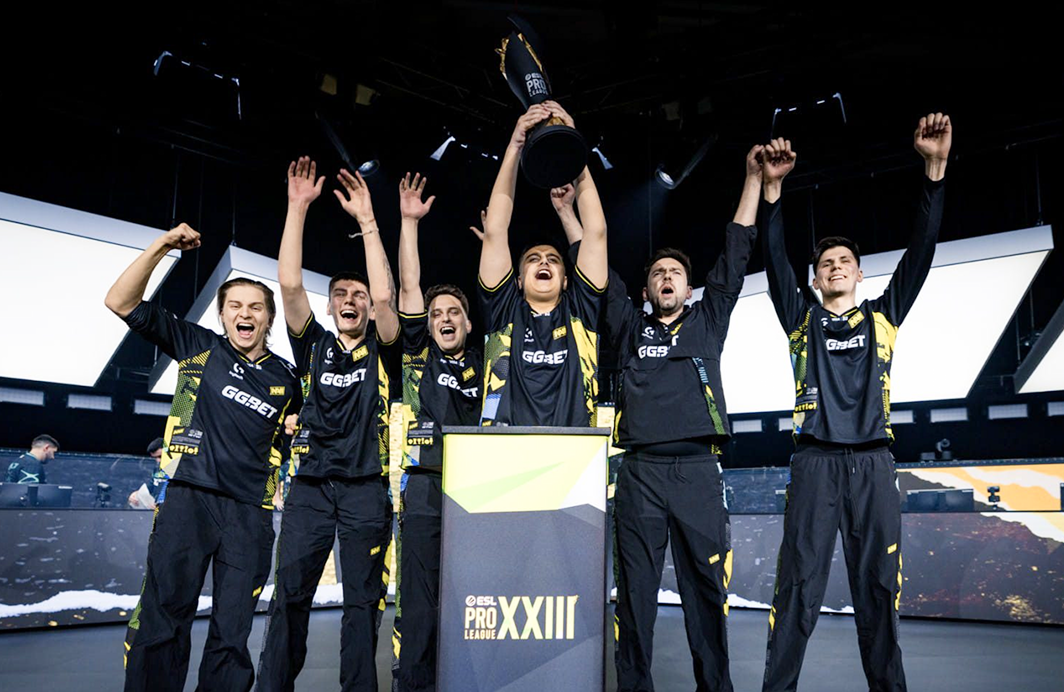
We speak the same language — understanding live data, game stats, and product logic without explanation.
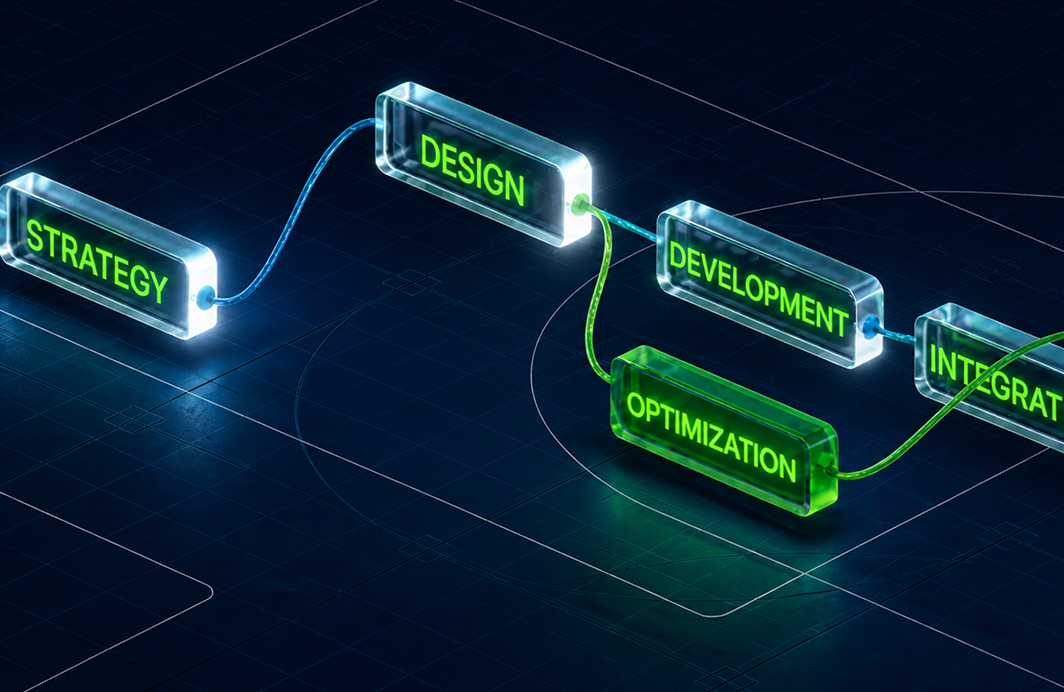
Strategy → Design → Development → Integration → Optimization

Fast execution without compromising product structure or scalability.
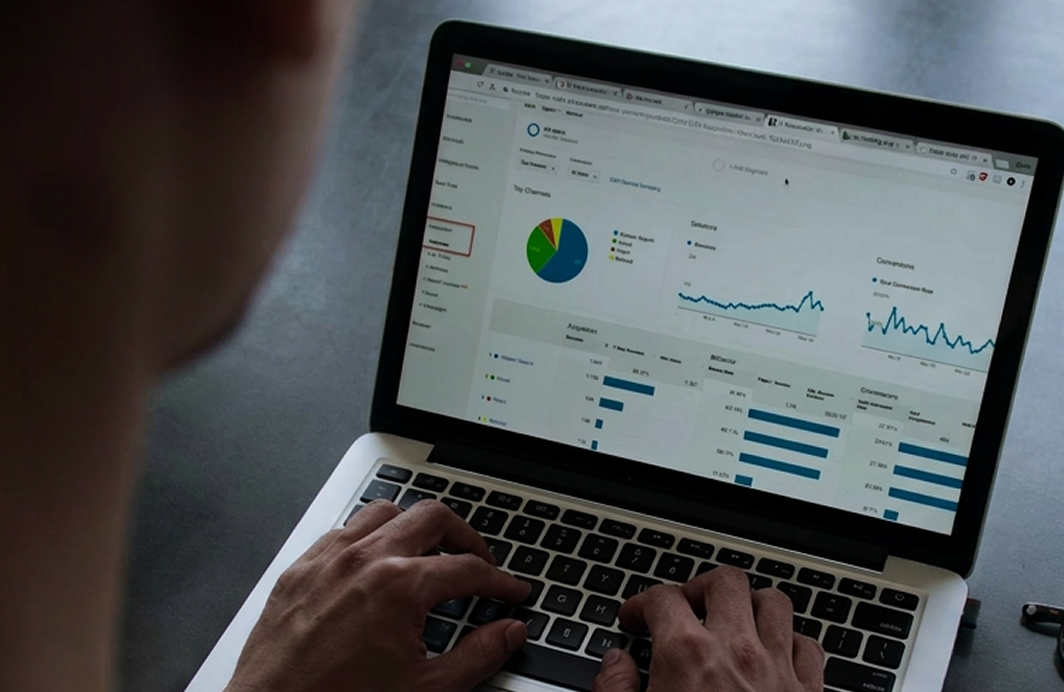
Engagement. Retention. Scale. Revenue.
Registration and bracket tools, live data and scoring systems, broadcast overlays, fan engagement platforms, and sponsor activation products — built around how your events actually run.
See how your feature, flow, or idea works in practice — with real logic, data, and interaction.
Turn your idea into a working product concept in 2–3 days — validate logic, features, and user flows before investing in full development.